The Silent Threat: How Black Mold Spreads in Maple Shade Homes
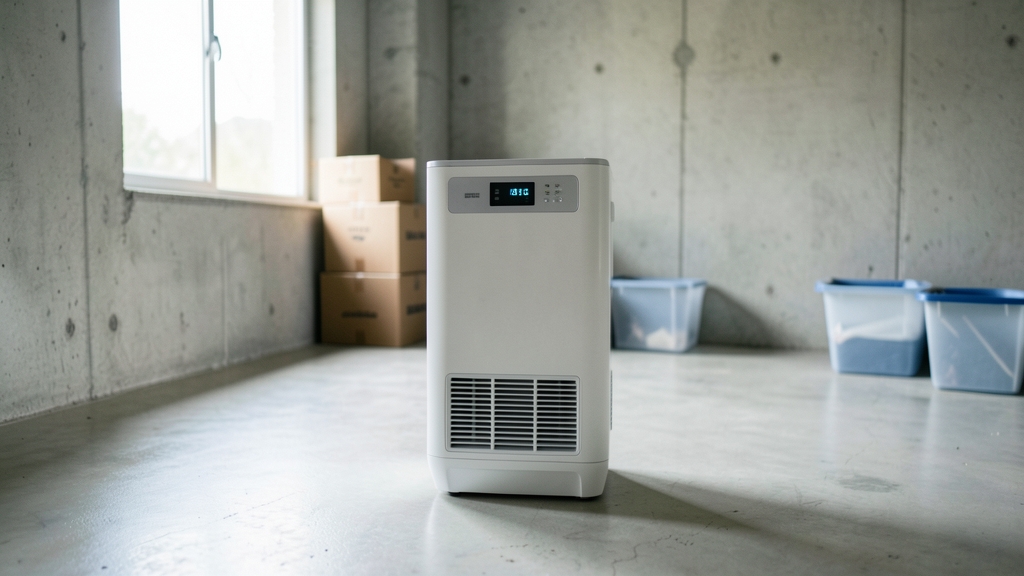
Black mold, or Stachybotrys chartarum, thrives in the damp, humid conditions common to Maple Shade homes, especially after heavy rains or flooding. Left unchecked, it spreads silently through walls, crawl spaces, and HVAC systems, posing serious health risks. We’ve seen firsthand how quickly it takes hold in basements and attics across Moorestown and Cherry Hill too.
What Is Black Mold and Why Is It Dangerous?
Black mold is a toxic fungus that releases mycotoxins, which can trigger respiratory issues, headaches, and skin irritation. It’s not just unsightly—it’s a health hazard, especially for children, the elderly, and those with compromised immune systems.
In Maple Shade’s older homes, black mold often grows undetected behind drywall or under flooring, fed by lingering moisture from leaks or poor ventilation. Unlike common household mold, Stachybotrys requires sustained dampness to flourish.
Prolonged exposure to black mold can lead to chronic sinusitis, fatigue, and even neurological symptoms. If you suspect an infestation, avoid disturbing it—this can release spores into the air.
How Black Mold Spreads in South Jersey Homes
Mold spores are everywhere, but they only grow when they land on damp, organic surfaces like wood, drywall, or insulation. In Maple Shade, basements and crawl spaces are prime targets due to high groundwater levels and seasonal flooding.
Poorly ventilated attics trap heat and moisture, creating ideal conditions for mold to colonize. Leaky roofs or condensation from HVAC systems can accelerate the process, especially in older neighborhoods near Cinnaminson and Mount Laurel.
Common Sources of Moisture Fueling Mold Growth
Water intrusion is the leading cause. This includes roof leaks, plumbing failures, or even improper grading around the foundation. Maple Shade’s clay-heavy soil retains water, increasing the risk of basement seepage.
High humidity—common in South Jersey summers—can also sustain mold. Without dehumidifiers or proper airflow, moisture lingers in bathrooms, kitchens, and laundry rooms. Even small leaks behind appliances can go unnoticed for months.
Moisture Hotspots to Inspect
- Under sinks and around pipes
- Behind washing machines and water heaters
- In crawl spaces and basements
- Around windows and door frames
- Attic insulation and roof decking
Black Mold vs. Other Household Molds: Key Differences
Not all dark mold is Stachybotrys. Alternaria and Cladosporium are common but less toxic. Black mold, however, has a slimy texture when wet and a distinct musty odor. It often appears in clusters of dark greenish-black spots.
Unlike surface molds, black mold penetrates porous materials like drywall and wood, making it harder to remove without professional remediation. This is why mold testing and air quality assessments are critical before attempting cleanup.
| Mold Type | Color/Apparence | Toxicity | Common Locations |
|---|---|---|---|
| Stachybotrys (Black Mold) | Dark green/black, slimy | High (mycotoxins) | Drywall, insulation, crawl spaces |
| Alternaria | Dark green/black, fuzzy | Moderate (allergens) | Bathrooms, showers, windowsills |
| Cladosporium | Black/green/brown | Low to moderate | Fabrics, carpets, wood |
| Aspergillus | Yellow/green/black | Moderate to high | HVAC systems, basements |
Signs You Might Have Black Mold in Your Home
Visible dark stains on walls or ceilings are a red flag, but mold often hides. A persistent musty smell is another clue—especially in basements or attics. Unexplained health symptoms like coughing, sneezing, or itchy eyes can also indicate exposure.
In Maple Shade, we often find mold during water damage restoration projects. If you’ve had recent flooding or a leak, assume mold could be present and schedule a professional inspection.
Home test kits can confirm mold presence but won’t identify the type or extent. For black mold, lab analysis is essential. Request a quote for comprehensive mold testing and air quality assessments.
Why Maple Shade’s Climate Accelerates Mold Growth
South Jersey’s humid subtropical climate, with hot summers and wet springs, creates a perfect storm for mold. Maple Shade’s proximity to the Rancocas Creek and its older housing stock—many with poor ventilation—exacerbate the problem.
Seasonal temperature swings cause condensation in attics and crawl spaces. Without vapor barriers or proper insulation, moisture builds up, feeding mold colonies year-round.
The Role of HVAC Systems in Spreading Mold Spores
Your HVAC system can unwittingly distribute mold spores throughout your home. If mold grows in ductwork or on coils, every time the system runs, it circulates contaminants. This is why we always inspect HVAC components during mold remediation in Maple Shade, Moorestown, and Cherry Hill.
Regular filter changes and duct cleaning help, but if mold is already present, professional remediation is the only way to ensure it’s fully removed. Ignoring it risks recontamination.
How to Prevent Black Mold in Your Home
Prevention starts with controlling moisture and improving airflow.
- 1Fix Leaks Immediately
Address plumbing leaks, roof damage, or foundation cracks as soon as they’re detected. Even small drips can lead to major mold problems over time.
- 2Improve Ventilation
Use exhaust fans in bathrooms and kitchens, and ensure your attic and crawl space have proper ventilation. Consider a whole-house dehumidifier for Maple Shade’s humid climate.
- 3Monitor Humidity Levels
Keep indoor humidity below 60% with dehumidifiers. Hygrometers are inexpensive tools to track levels in problem areas like basements.
- 4Inspect and Maintain HVAC Systems
Change filters regularly and have ducts cleaned annually. If you suspect mold in your system, schedule a professional HVAC inspection and mold testing.
- 5Use Mold-Resistant Materials
In moisture-prone areas like basements and bathrooms, opt for mold-resistant drywall, paint, and insulation. These products are designed to inhibit mold growth.
Frequently Asked Questions
Can black mold grow in clean homes?
Absolutely. Black mold thrives in damp, dark environments, regardless of cleanliness. Even spotless homes in Maple Shade can develop mold if moisture isn’t controlled. Regular inspections are key.
How quickly can black mold spread?
Under ideal conditions, black mold can begin growing within 24-48 hours of water exposure. In a week, it can cover several square feet. This is why addressing water damage promptly is critical.
Is black mold only a problem in older homes?
No. While older homes in Maple Shade and Cherry Hill are more susceptible due to outdated construction, newer homes can also develop mold if moisture issues aren’t addressed during building or maintenance.
What should I do if I find black mold in my Maple Shade home?
Do not disturb it. Disturbing mold can release spores into the air, worsening the problem. Instead, isolate the area, turn off HVAC systems, and contact a professional for mold testing and remediation.
Does bleach kill black mold?
Bleach can kill surface mold on non-porous materials like tile but won’t penetrate porous surfaces like drywall or wood. For black mold, professional remediation with specialized equipment is necessary to ensure complete removal.
Can black mold return after remediation?
Yes, if the underlying moisture issue isn’t resolved. That’s why our team always addresses the root cause—whether it’s a leak, poor ventilation, or high humidity—during remediation to prevent recurrence.