How Exhaust Fans Prevent Bathroom Mold in Maple Shade Homes
Bathrooms in Maple Shade are prime targets for mold—humid summers and poorly ventilated spaces trap moisture against walls and ceilings. We’ve seen firsthand how a well-installed exhaust fan, properly used, can slash that risk and save homeowners from costly remediation down the line.
Why Bathrooms in Our Area Are Mold Magnets
Maple Shade’s climate swings from damp springs to humid summers, creating ideal conditions for mold spores to take hold. Without ventilation, steam from showers lingers, soaking into drywall, grout, and ceiling paint.
Even in newer homes near Moorestown or Cherry Hill, poor airflow in bathrooms leads to hidden mold behind tiles or under flooring. We often trace infestations back to a missing or underpowered exhaust fan.
How Exhaust Fans Disrupt Mold Growth
Exhaust fans remove moisture-laden air at the source, typically within 15–30 minutes of use. This drops relative humidity below 60%, the threshold where most mold spores struggle to colonize.
They also reduce condensation on cold surfaces like mirrors and windows, which otherwise feeds surface mold. Proper ducting vents that air outside—not into attics, where it can cause attic mold issues we see in Cinnaminson homes.
Leave the exhaust fan running for at least 20 minutes after showering. Many Maple Shade homeowners turn it off too soon, allowing residual moisture to settle.
Exhaust Fan CFM: What Maple Shade Homeowners Need to Know
CFM (cubic feet per minute) measures a fan’s airflow. For bathrooms under 100 sq. ft., aim for at least 1 CFM per square foot. Larger or high-moisture baths may need 50–100 CFM more.
Undersized fans—common in older Maple Shade homes—can’t keep up with steam output. We’ve remediated mold in bathrooms where a 50-CFM fan served a 120-sq.-ft. space, leaving walls chronically damp.
| Bathroom Size (sq. ft.) | Minimum CFM | Notes |
|---|---|---|
| < 50 | 50 | Small half-baths |
| 50–100 | 50–80 | Standard full bath |
| 100–150 | 80–110 | Larger baths or high-use |
| > 150 | 110+ | Master baths with soaking tubs |
Ducting Done Right (and Wrong)
Improper ductwork is a silent saboteur. Flexible ducts can sag, trapping moisture and breeding mold inside the system itself. Rigid metal ducts are ideal for bathroom vents.
Never vent into an attic, crawl space, or between floors—this shifts the problem to another part of the house. We’ve handled attic mold remediation in Mount Laurel homes traced to bathroom fans dumping air upward.
Venting into a soffit or overhang can cause moisture to seep back into the home. Always route ducts directly outside, with a backdraft damper to prevent outdoor air from entering.
Signs Your Exhaust Fan Isn’t Preventing Mold
Peeling paint or wallpaper, musty odors, or visible black spots on ceilings are red flags. If condensation lingers on windows long after showering, your fan may be underpowered or clogged.
Listen for unusual noises—squealing or rattling often means the fan motor is failing. In Maple Shade’s older homes, we frequently find fans caked with dust, reducing airflow by 50% or more.
Quick Exhaust Fan Health Check
- Hold a tissue to the fan—it should stick when running
- Check for dust buildup on the grille
- Ensure the duct isn’t crushed or disconnected
- Test the fan’s noise level (loud humming may indicate motor issues)
Exhaust Fans vs. Dehumidifiers: A Local Perspective
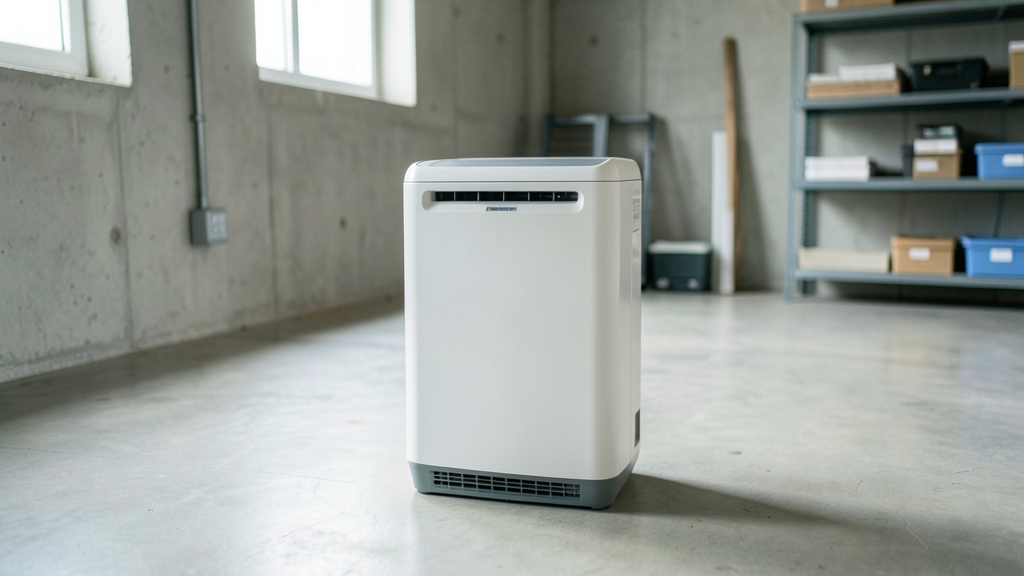
Exhaust fans tackle moisture at the source, while dehumidifiers address ambient humidity. In Maple Shade, we recommend both for bathrooms in basements or homes with poor natural ventilation.
Dehumidifiers help in crawl spaces and after water damage, but they can’t replace a fan’s role in removing steam immediately. For whole-home moisture control, especially in Mount Laurel’s newer builds, a balanced HVAC system with bathroom fans is key.
When to Call a Mold Remediation Pro
If you see mold covering more than 10 square feet, or if it’s in HVAC ducts or behind walls, DIY fixes won’t cut it. Our team uses containment barriers and HEPA filtration to safely remove spores without spreading them.
Persistent musty smells or health symptoms like allergies often signal hidden mold. In Cherry Hill and Cinnaminson, we’ve found mold lurking behind shower walls due to long-term fan neglect.
If your bathroom has suffered water damage, address it within 24–48 hours. Delay increases the risk of mold taking root in drywall and subflooring, requiring more extensive remediation.
How to Install or Upgrade a Bathroom Exhaust Fan
Upgrading your exhaust fan is a straightforward project that pays off in mold prevention.
- 1Choose the Right Fan
Select a fan with the correct CFM for your bathroom size and a low sone rating for quiet operation. Look for Energy Star-rated models for efficiency.
- 2Plan the Duct Route
Map a direct path to the exterior, avoiding sharp turns. Use rigid ductwork and a roof or wall cap with a damper to prevent backdrafts.
- 3Cut the Ceiling Opening
Mark the fan’s footprint on the ceiling, then cut the hole carefully. Ensure you’re not cutting into joists or existing wiring.
- 4Install the Fan Housing
Secure the housing to the ceiling joists, then connect the ductwork with foil tape and screws. Seal all joints to prevent leaks.
- 5Wire the Fan
Connect the fan to a dedicated circuit or existing bathroom lighting circuit, following local electrical codes. Use a timer switch for automated runtime.
- 6Test and Seal
Turn on the fan and check for proper airflow. Caulk around the grille to prevent gaps, and test the backdraft damper to ensure it closes fully.
Frequently Asked Questions
How long should I run my bathroom exhaust fan after showering in Maple Shade’s humid climate?
Run the fan for at least 20–30 minutes after showering to fully clear moisture. In high-humidity seasons, consider leaving it on longer or adding a timer switch for consistency.
Can I just open a window instead of using an exhaust fan?
Opening a window helps, but it’s less effective in still air or during high outdoor humidity. Exhaust fans provide controlled, consistent airflow, which is critical for preventing mold in enclosed bathrooms.
What’s the most common exhaust fan mistake you see in Maple Shade homes?
The biggest issue is venting into an attic or crawl space instead of outside. This traps moisture in the home’s structure, leading to attic or crawl space mold—something we remediate often in Moorestown and Mount Laurel.
Do exhaust fans help with mold in other areas, like basements or attics?
Exhaust fans are bathroom-specific, but proper ventilation principles apply everywhere. For basements, we recommend dehumidifiers and crawl space encapsulation. Attics need ridge vents or powered fans to prevent condensation and mold.
How often should I clean my bathroom exhaust fan?
Clean the grille and housing every 6 months to remove dust and debris. In high-use bathrooms, check it quarterly—clogged fans lose effectiveness and can even spread mold spores if contaminated.
Is mold in my bathroom covered by homeowners insurance?
Coverage varies by policy and cause. Most insurers cover mold damage if it’s sudden and accidental (e.g., a burst pipe), but not if it’s due to long-term neglect like a broken exhaust fan. Request a quote from a local remediation expert to assess the extent and next steps.