Expert Containment Strategies to Prevent Mold Spread in Maple Shade Homes
Mold doesn’t stay put—it spreads fast if not contained properly. In South Jersey’s humid climate, even a small leak or hidden moisture pocket in Maple Shade can turn into a full-blown infestation without the right barriers. We use field-tested containment to isolate the problem and protect the rest of your home.
Why Containment Is the First Line of Defense Against Mold
Mold releases microscopic spores that travel through air currents, HVAC systems, and even on clothing. Without containment, remediation can inadvertently spread contamination to clean areas of your home.
In Maple Shade, seasonal humidity spikes and older homes with poor ventilation make containment non-negotiable. One misstep can turn a localized issue into a whole-house problem.
Never run your HVAC during active mold remediation without proper containment. Spores will circulate through ducts, infecting every room.
Types of Mold Containment: Which One Fits Your Situation?
Source containment isolates the mold at its origin, often using plastic sheeting to seal off the affected area. It’s ideal for small, contained growth in basements or attics.
Local containment expands the barrier to include adjacent spaces, like a hallway or connected room, to prevent cross-contamination during removal.
Full containment involves sealing an entire area—common in severe cases or commercial properties—using airlocks and decontamination chambers.
| Containment Type | Best For | Key Equipment |
|---|---|---|
| Source Containment | Small, isolated mold (e.g., under a sink, behind drywall) | 6-mil plastic sheeting, tape, zip walls |
| Local Containment | Medium infestations (e.g., one room + hallway) | Plastic barriers, air scrubbers, negative air machines |
| Full Containment | Large or high-risk areas (e.g., entire basement, commercial spaces) | Airlocks, decontamination chambers, HEPA filtration |
Essential Tools for Effective Mold Containment
6-mil polyethylene plastic sheeting is the industry standard for barriers—thinner sheets tear too easily. We use fire-retardant options in homes with heating systems.
Negative air pressure machines pull air *into* the contained area, preventing spores from escaping. These are critical for basements in Maple Shade, where stale air lingers.
HEPA air scrubbers capture spores as small as 0.3 microns, filtering the air within the containment zone. Without them, spores remain suspended and ready to resettle.
Step-by-Step: Setting Up a Containment Barrier Like the Pros
Start by identifying the mold’s extent with a thorough inspection. In Maple Shade, we often find hidden growth behind drywall in damp basements or under flooring near crawl spaces.
Seal all HVAC vents, doors, and openings in the affected area with plastic sheeting. Use painter’s tape for temporary holds, but reinforce with more durable tape for long-term barriers.
Create an airlock entryway with overlapping plastic flaps. This simple but effective design prevents spores from hitching a ride on workers or tools as they enter and exit.
Containment Setup Checklist
- Turn off HVAC to the affected area
- Seal all gaps, cracks, and openings with 6-mil plastic
- Set up negative air pressure with a HEPA-filtered machine
- Install an airlock or decontamination chamber at the entry point
- Use air scrubbers inside the containment zone
Containment Challenges in Maple Shade’s Older Homes
Many Maple Shade homes have unfinished basements or crawl spaces with dirt floors—prime breeding grounds for mold. Containment here often requires encapsulating the entire space.
Knob-and-tube wiring or outdated plumbing in older properties can complicate barrier placement. We adapt by using fire-rated materials and working around obstructions without compromising safety.
Shared walls with neighbors in row homes or duplexes (common in areas like Cinnaminson or Moorestown) demand extra vigilance. Containment must extend beyond your property line to prevent cross-unit spread.
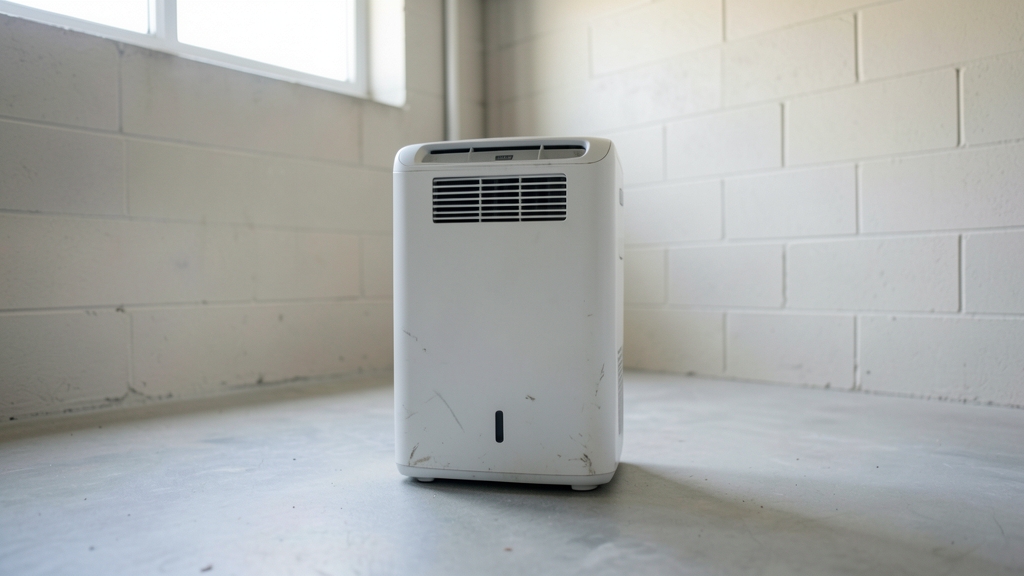
In South Jersey’s humid summers, run a dehumidifier *outside* the containment zone to keep relative humidity below 50%. This stops new spores from taking hold in clean areas.
Containment for Specialized Areas: Attics, Crawl Spaces, and HVAC Systems
Attic mold often stems from poor ventilation or roof leaks. Containment here requires sealing the attic hatch and any soffit vents to prevent spores from drifting into living spaces below.
Crawl spaces in Maple Shade are notorious for high moisture. We use vapor barriers on the ground and encapsulate the entire area, then contain it separately from the main home.
HVAC systems need their own containment strategy. Ductwork can be sealed with plastic and negative pressure, or cleaned with HEPA vacuums if contamination is suspected.
When to Call in Professionals for Containment
DIY containment works for very small, surface-level mold. But if the growth covers more than 10 square feet, or if it’s in your HVAC, basement, or attic, professional containment is a must.
In Maple Shade, we’ve seen well-meaning homeowners use household plastic and tape—only to have the barriers fail under negative pressure, spreading spores further.
Commercial properties, schools, or multi-unit buildings in nearby Cherry Hill or Mount Laurel require full containment and often regulatory compliance. This isn’t a weekend project.
How to Maintain Containment During Mold Remediation
Keeping the barrier intact is just as important as setting it up.
- 1Monitor Negative Pressure
Use a manometer to ensure the contained area stays at lower pressure than adjacent spaces. Adjust fans as needed.
- 2Inspect Barriers Daily
Check plastic sheeting for tears, gaps, or loose tape. Even small breaches can compromise containment.
- 3Limit Entry and Exit
Restrict access to the contained area. Use the airlock or decontamination chamber every time—no exceptions.
- 4Use PPE Properly
Wear disposable coveralls, gloves, and N95 respirators inside containment. Remove and bag PPE before exiting to avoid cross-contamination.
- 5Dispose of Materials Safely
Double-bag moldy debris in 6-mil plastic and seal with duct tape. Label bags clearly and dispose of them according to local regulations.
Frequently Asked Questions
How long does mold containment need to stay in place in a Maple Shade home?
Containment remains until remediation is complete and post-clearance testing confirms spore levels are safe. For large jobs, this can take several days to a week. We never remove barriers prematurely—doing so risks recontamination.
Can I stay in my home during mold remediation with containment?
For small, contained projects (like a bathroom or closet), you can usually stay. But for full-home or severe cases—common in basements or attics—it’s safer to relocate temporarily. Containment protects you, but dust and noise can be disruptive.
Does homeowners insurance cover mold containment and remediation in NJ?
Coverage varies by policy and the cause of the mold. Sudden water damage (e.g., a burst pipe) is often covered, but long-term moisture issues may not be. Always check your policy and document the damage thoroughly. We can provide detailed reports for claims.
What’s the difference between mold containment and mold removal?
Containment is the process of isolating the mold to prevent spread during removal. Removal is the physical act of cleaning or demolishing moldy materials. Both are essential—removal without containment can make the problem worse.
Are there any Maple Shade-specific regulations for mold containment?
New Jersey doesn’t have statewide mold remediation laws, but local building codes and health department guidelines may apply, especially for commercial properties. We follow IICRC S520 standards and work with local inspectors to ensure compliance.
How do I know if my DIY containment is working?
If you see plastic sheeting billowing inward, your negative pressure is likely working. But without professional equipment like air scrubbers or manometers, it’s hard to be certain. For peace of mind, request a quote from a local expert to assess your setup.