Thermal Imaging vs. Visual Inspections for Mold Detection in Maple Shade
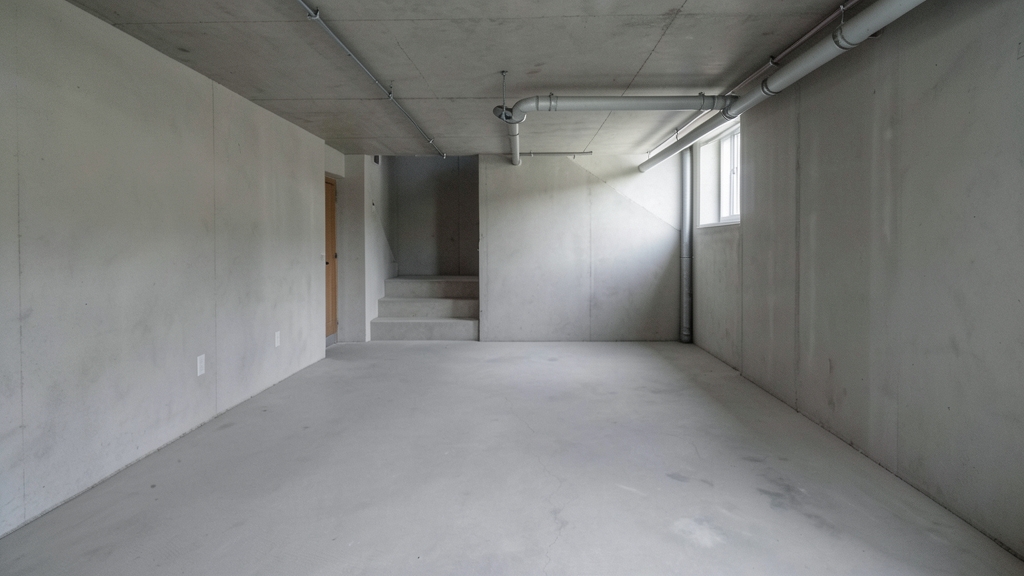
Mold thrives where moisture lingers, often out of sight behind walls or under flooring. In South Jersey’s humid summers and wet winters, early detection is critical to prevent structural damage and health risks. We rely on both thermal imaging and visual inspections—but knowing when to use each makes all the difference.
Why Mold Hides in Maple Shade Homes
Our region’s high humidity, frequent rain, and older housing stock create perfect conditions for hidden mold. Basements in neighborhoods near the Rancocas Creek, poorly ventilated attics, and crawl spaces are common hotspots.
Mold spores need only 24–48 hours of moisture to colonize. Leaky pipes, roof leaks, or condensation from temperature swings can go unnoticed until the problem spreads.
How Visual Mold Inspections Work
A thorough visual inspection is our first line of defense. We examine walls, ceilings, floors, and HVAC systems for discoloration, staining, or musty odors—classic signs of active growth.
We also check for water damage indicators: peeling paint, warped baseboards, or efflorescence on masonry. In attics and crawl spaces, we look for damp insulation or rotting wood, common in Moorestown and Cherry Hill homes.
Visual checks can miss mold behind drywall, under flooring, or inside HVAC ducts. That’s where thermal imaging steps in.
The Power of Thermal Imaging for Hidden Mold
Infrared cameras detect temperature differences caused by moisture. Wet materials retain heat differently than dry ones, revealing hidden leaks or condensation behind surfaces.
We use FLIR cameras to scan walls, ceilings, and floors. Cold spots often indicate moisture intrusion—prime areas for mold growth. This is especially useful in Mount Laurel and Cinnaminson, where newer builds may have undetected plumbing leaks.
Thermal Imaging vs. Visual Inspection: Key Differences
Both methods serve distinct purposes. Visual inspections identify visible mold and water damage, while thermal imaging uncovers hidden problems before they escalate.
| Feature | Thermal Imaging | Visual Inspection |
|---|---|---|
| Detects Hidden Mold | Yes (behind walls, under floors) | No (surface-level only) |
| Identifies Moisture Sources | Yes (via temperature anomalies) | Sometimes (if visible) |
| Speed of Inspection | Fast (scans large areas quickly) | Slower (requires physical access) |
| Cost Factor | Higher (equipment and expertise) | Lower (manual inspection) |
| Best For | Hidden leaks, early detection | Visible mold, surface assessment |
When We Use Each Method in Maple Shade
We start with a visual inspection to assess obvious signs. If we suspect hidden mold—common in basements or after water damage—we switch to thermal imaging to pinpoint moisture sources.
For commercial properties or large homes in Cherry Hill, combining both ensures comprehensive coverage. Thermal imaging is also critical after water damage restoration to confirm all moisture is gone.
Always pair thermal imaging with a moisture meter for confirmation. Temperature differences suggest moisture, but meters provide exact readings.
Common Areas Where Thermal Imaging Shines
Basements and crawl spaces often have poor ventilation, leading to condensation. Thermal cameras reveal cold spots on foundation walls, indicating moisture wicking through masonry.
Attics are another hotspot. Inadequate insulation or roof leaks create temperature variations that thermal imaging catches before mold spreads across sheathing or rafters.
What Thermal Imaging Can’t Do
Infrared cameras don’t detect mold directly—they find moisture, which *can* lead to mold. Confirmation requires physical sampling or air quality testing.
They also struggle with reflective surfaces like metal or glass, and thick insulation can mask temperature differences. That’s why we never rely on thermal imaging alone.
Thermal imaging can flag temperature variations from non-moisture sources, like electrical wiring or structural materials. Expert interpretation is key.
Next Steps After Detection
Once we locate moisture or mold, we map the affected areas and determine the scope of remediation. For hidden mold, this may involve controlled demolition to access the source.
In Maple Shade, we often coordinate with water damage restoration teams in Moorestown or Mount Laurel to address the root cause before remediation begins.
How to Prepare for a Professional Mold Inspection
A little prep helps us work efficiently and accurately.
- 1Clear Access Points
Move furniture, storage boxes, or clutter away from walls, especially in basements, attics, and crawl spaces. This lets us scan thoroughly.
- 2Note Problem Areas
Point out any musty odors, water stains, or past leaks. Even small details help us focus the inspection.
- 3Control Humidity
Avoid running humidifiers or dehumidifiers 24 hours before the inspection. We need to assess natural conditions.
- 4Secure Pets
Keep pets in a separate area. Safety for your family—and our team—is a priority during inspections.
- 5Provide Access to HVAC
We’ll check vents and ductwork, common mold hideouts. Ensure we can access your system’s components.
Frequently Asked Questions
Can thermal imaging find mold in my Maple Shade basement?
Yes, if there’s active moisture. Thermal cameras detect temperature differences caused by dampness behind walls or under flooring—common in basements. However, we’ll confirm with moisture meters or testing.
Is thermal imaging worth the extra cost for mold detection?
It depends on your home’s risk. For older homes, properties with past water damage, or areas like Cherry Hill with high humidity, thermal imaging often saves money by catching hidden issues early. Request a quote to discuss your needs.
How long does a thermal imaging mold inspection take?
A full inspection, including thermal imaging and visual checks, typically takes 1–2 hours for an average home. Larger properties or commercial spaces in Mount Laurel may require more time.
Does homeowners insurance cover thermal imaging for mold?
Coverage varies. Many policies exclude mold but may cover water damage detection. Check your policy and ask about documentation—we provide detailed reports to support claims.
Can I rent a thermal camera and do the inspection myself?
While rental cameras exist, interpreting results requires expertise. Misreading temperature variations can lead to missed mold or unnecessary repairs. We recommend professional inspections for accuracy.
What’s the most common mold type found in South Jersey homes?
Aspergillus and Cladosporium are frequent due to our climate. Stachybotrys (black mold) is less common but often grabs headlines. Lab testing identifies the exact species, which informs our remediation approach.